How Drones Are Transforming Real Estate Listings
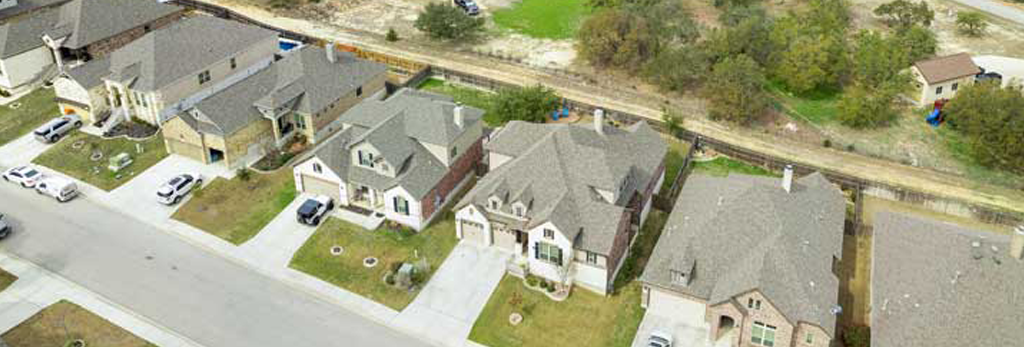
Drones have revolutionized how real estate is marketed. From aerial views to immersive virtual tours, drone media increases engagement, shortens sales cycles, and boosts listing appeal.
Why Drones Matter in Real Estate
- 68% faster sales: Listings with aerial photos and videos sell up to 68% faster than those without.
- 403% more inquiries: Drone listings attract significantly more attention from potential buyers.
- Higher offers: Homes can sell for 5–11% above asking price when enhanced with drone content.
Visual Impact & Buyer Engagement
- 73% more engagement: Drone videos outperform traditional photos in attracting buyer interest.
- 83% seller preference: Homeowners prefer agents who use drones to market their properties.
- 80% buyer demand: A majority of buyers expect video tours as part of modern listings.
Speed & Profitability
- 32% faster closings: Especially effective in luxury listings and large parcels.
- Above-list pricing: Professionally shot drone footage correlates with above-market offers.
- Cost-effective: Drone photography costs a fraction of traditional aerial options.
Practical & Branding Benefits
- Showcase neighborhoods: Highlight nearby parks, schools, and amenities to sell lifestyle, not just property.
- Roof & terrain inspection: Use drones to inspect and identify issues before listing.
- Build agent brand: Tech-savvy agents who use drones build credibility and stand out.
What Real Agents Say
“My drone footage helped increase listings and accounted for about 30% of my sales.”
“For $150 a shoot, it brings in way more leads. Especially helps on big lots and rural homes.”
Best Practices for Real Estate Drone Marketing
- Hire FAA-certified drone pilots to ensure compliance and quality.
- Pair drone footage with virtual walkthroughs for 360° immersion.
- Use aerial shots to contextualize property within its environment.
- Include sunset or golden hour footage for visual appeal.
Conclusion
Drones aren’t just a trend in real estate—they’re a proven tool for faster sales, higher engagement, and elevated brand perception. If you’re not yet using drones to market listings, now is the time to take flight.

The Evolution of Drones: From Concept to Everyday Technology
Drones, also known as unmanned aerial vehicles (UAVs), have transformed from futuristic concepts to practical tools that are reshaping industries. Today, drones are used in everything from agriculture to filmmaking, real estate to emergency response. Their rise is a compelling story of innovation, accessibility, and technological advancement.
What Is a Drone?
At its core, a drone is an aircraft without a human pilot on board. Operated remotely or autonomously through software and sensors, drones can fly in various environments and carry out specific tasks, often with high precision.
A Brief History of Drones
Early Innovations
- 1935: The British developed the DH.82B Queen Bee, a radio-controlled aircraft used for target practice.
- 1950s–70s: Technological advancements in radio communication and flight control laid the groundwork for UAV development.
- 1990s: GPS integration and miniaturized electronics sparked a wave of interest in autonomous flight.
The real tipping point came in the early 2010s when drones became affordable for hobbyists, entrepreneurs, and commercial users alike.
How Drone Technology Works
The technology behind drones involves a combination of sensors, GPS, flight control systems, and wireless communication. Depending on the model and its purpose, drones can be incredibly sophisticated or relatively simple.
Key Drone Components
Propulsion System
Most consumer drones use electric motors and propellers. The number of rotors (typically four, six, or eight) helps determine the drone’s stability and lifting power.
Flight Controller
The flight controller is the drone’s brain. It processes data from onboard sensors and transmits control signals to keep the drone stable and responsive.
GPS and Navigation
Modern drones are often equipped with Global Positioning Systems (GPS) that allow for precise navigation, hover stability, and return-to-home functionality.
Camera and Imaging Technology
Drones equipped with HD or 4K cameras can capture breathtaking aerial images. More advanced models include thermal imaging or multispectral sensors for specialized uses.
Obstacle Avoidance Sensors
Using ultrasonic, infrared, or vision-based sensors, drones can detect and avoid obstacles, making them safer and more autonomous.
Modern Uses of Drones (Non-Military)
The versatility of drones has opened up a range of applications across industries. Here’s a look at some of the most impactful ways drones are used today.
Drones in Agriculture
One of the fastest-growing sectors for drone use is precision agriculture. Farmers use drones to:
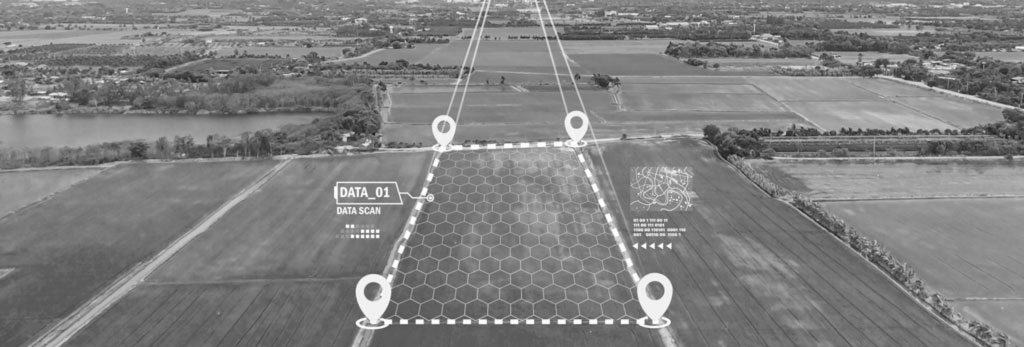
- Monitor crop health using multispectral imagery
- Map fields and analyze soil data
- Optimize irrigation and fertilizer application
- Survey livestock or fence lines
This data-driven approach enhances yield, reduces waste, and promotes sustainable farming practices.
Drones in Real Estate and Construction
High-resolution aerial imagery gives real estate professionals a powerful tool to showcase properties from above. For construction teams, drones are used to:
- Monitor job site progress
- Generate 3D maps and topographic models
- Conduct safety inspections in hard-to-reach areas
Drones save time and money while improving accuracy and safety.
Drones in Environmental Monitoring
Drones have become essential tools for environmental science and conservation:
- Tracking wildlife migration patterns
- Surveying forests and monitoring deforestation
- Assessing coastal erosion and wetland health
- Collecting data in hard-to-reach ecosystems like rainforests or volcanoes
They allow scientists to gather accurate data with minimal environmental disruption.
Drones in Emergency Response and Public Safety
Fire departments, search-and-rescue teams, and disaster relief organizations use drones for their speed and agility in emergencies:
- Locating missing persons in remote areas
- Delivering medical supplies or life jackets
- Mapping disaster zones for quicker response
- Monitoring wildfires from the air
These life-saving applications demonstrate drones’ growing value in public service.
Drones in Media and Entertainment
Aerial shots once reserved for helicopters are now widely available thanks to drones:
- Film and TV production benefit from dynamic, cinematic footage
- Sports coverage is enhanced with sweeping aerial angles
- Social media content creators use drones to tell compelling visual stories
The low cost and accessibility of drones have democratized professional-level videography.
Drones in Delivery and Logistics
Companies are exploring drone delivery systems for lightweight packages. While still in testing stages in many places, drone deliveries can:
- Reduce last-mile delivery times
- Reach rural or hard-to-access areas
- Decrease carbon emissions compared to traditional delivery vehicles
Brands like Amazon, UPS, and Zipline are already piloting drone delivery networks globally.
The Future of Drones
As drone technology matures, we can expect increased automation, AI-driven flight planning, and expanded airspace integration. Innovations in battery life, payload capacity, and communication networks (like 5G) will further broaden the scope of drone applications.
Regulations and Safety
Government agencies, such as the FAA (Federal Aviation Administration) in the United States, are working to balance innovation with public safety. Current regulations for drone operators include:
- Registering drones above a certain weight
- Flying within visual line of sight
- Avoiding restricted airspace
- Completing certification for commercial drone use (e.g., FAA Part 107 license)
Following these rules helps ensure responsible drone use.
Why Drones Matter
Drones are more than just gadgets; they’re tools that are reshaping how we explore, analyze, and interact with the world. Their non-military applications—ranging from sustainable farming to environmental preservation and media creation—highlight the positive impact drones are having on modern life.
As the technology continues to evolve, drones will likely become even more integrated into daily operations across numerous sectors. The sky is no longer the limit—it’s just the beginning.